
Hoover Weed Control Calendar: Month-by-Month Plan for a Weed-Free Lawn
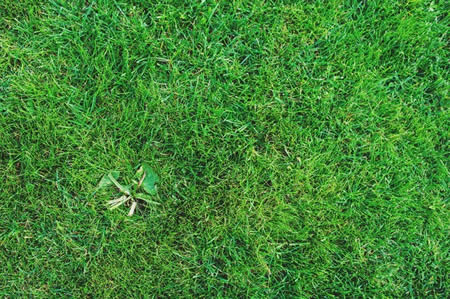
A healthy lawn in Hoover, AL does not happen by accident. It takes a plan that fits our warm, humid climate, clay-heavy soils, and the way weeds explode after spring rains. This month-by-month Hoover weed control calendar shows what a professional lawn care service schedules through the year so your turf stays thick and clean. If you want a team to run this plan for you, explore our weed control solutions delivered by Alabama Turf Specialists LLC. For quick reference anytime, save our Hoover weed control calendar and share it with your neighbors.
Why a Hoover Weed Control Calendar Works
Our area sits in the transition zone where Bermuda and zoysia thrive, but so do crabgrass, dallisgrass, henbit, and clover. Heat, pop-up storms, and compacted red clay give weeds a head start. A steady calendar keeps pressure on weeds when they are most vulnerable and protects your grass during stress. Timing is everything in Alabama, which is why the schedule below centers around soil temperature and seasonal growth, not guesswork.
Month-by-Month Weed Control Plan for Hoover, AL
January
Winter annuals like henbit and chickweed are visible. Pros spot-treat broadleaf patches on mild days and prepare records for spring pre-emergent. In shady pockets with fescue, winter care focuses on gentle, selective treatments that do not bruise cool-season blades.
February
This is the watch month. Soil temperatures begin to climb, especially on south-facing slopes in Riverchase and Trace Crossings. Pros stage spring pre-emergent for crabgrass so the barrier is in place before seeds wake up.
March
Crabgrass prevention peaks as soil temps settle into the mid‑50s. Teams button up edges along driveways and sidewalks where heat speeds germination. Early post-emergent touch‑ups keep winter weeds from reseeding.
April
Warm days push Bermuda and zoysia into growth. Pros monitor for broadleaf weeds like dandelion and clover that slip past barriers. Spot treatments target escapes without slowing turf green‑up.
May
Nutsedge and spotted spurge start showing in sunny, damp areas. A second round of targeted control keeps breakthroughs from spreading. Professionals also watch for dallisgrass clumps to schedule precise treatments while plants are smaller.
June
Hoover heat arrives. Crews time applications in cooler parts of the day and avoid periods of high stress. Edges and thin spots get special attention so weeds cannot colonize bare seams along curbs and irrigation heads.
July
Summer annuals surge after thunderstorms. Pros focus on accurate identification and spot treatments that protect color on sun‑baked slopes in Bluff Park and along open streets in Greystone. Spraying the wrong product at the wrong time can scorch turf, so trained timing matters now more than ever.
August
Heat lingers, but planning shifts to fall. Technicians track areas with frequent escapes so they can adjust the fall program. Consistent inspections keep pressure off the lawn while roots stay active.
September
Fall pre-emergent targets winter annuals like annual bluegrass and henbit before they sprout. This step is key for clean winter color across Hoover neighborhoods from Lake Cyrus to Ross Bridge. Any late-summer broadleaf pockets are mopped up during the same window.
October
Cooler nights help turf recover. Pros continue selective broadleaf control and monitor shady fescue areas where new weeds can appear under tree canopies. Edges and seams are tightened before leaf drop.
November
Winter weeds try to sneak in as leaves fall. Technicians spot‑treat fresh seedlings and check moisture in low spots that stayed soggy after fall rains. A clean slate now means fewer problems over winter.
December
Final inspections catch any scattered winter annuals. Records are updated so your plan starts fast in January and February. Finishing the year strong keeps next spring’s crabgrass from gaining a foothold.
Pre-Emergent Crabgrass Timing in Alabama
In Central Alabama, crabgrass tends to germinate when soils warm into the mid‑50s for several days. That usually lines up from late February into March across Hoover, but sun‑exposed concrete edges can warm sooner. If the barrier is late, crabgrass wins the race, which is why pros schedule, stage, and confirm coverage before the first big warm spell.
Common Weeds You’ll See Around Hoover
- Spring and summer: crabgrass, dallisgrass, spurge, sedges in wetter clay soils
- Fall and winter: annual bluegrass, henbit, chickweed, wild onion along tree lines
Different weeds peak in different neighborhoods. Riverchase lawns near creeks see more sedge pressure, while sunny hills in Bluff Park invite crabgrass along south-facing slopes. The calendar above times each pass to meet those patterns.
How Fertilization Supports Weed Control in Hoover
Thick turf is the best defense. Balanced feeding helps Bermuda and zoysia fill seams so weeds cannot steal open ground. See how timing and nutrients work together in our quick read, lawn fertilization in Hoover, and learn how pairing control with lawn fertilization strengthens color, roots, and resilience.
Neighborhood Notes Across Hoover
Local terrain shapes weed pressure. Bluff Park and Shades Crest have wind and sun that heat curb lines quickly. Riverchase and Lake Cyrus sit near waterways where clay stays wetter, which favors sedges. Greystone’s open fairway‑style lots invite summer annuals along long, hot edges. Pros tune rates, timing, and spot‑treatments to the block, not just the ZIP code.
What “On‑Track” Looks Like Through the Year
- Spring: few to no crabgrass seedlings on curb lines and driveway seams
- Summer: isolated sedge or broadleaf patches that are shrinking, not spreading
- Fall and winter: minimal annual bluegrass in open areas, with clean edges and beds
Results build as the calendar stacks up season after season. You should notice steadier color, fewer bare seams after edging, and lawns that hold up across Hoover’s heat waves and pop‑up storms.
Professional Process You Don’t See, But Feel Underfoot
Behind every treatment window is scouting, product selection, and routing that avoids heat spikes and storm washouts. Trained techs recognize weed species at early stages and select calibrated equipment to protect ornamentals, sidewalks, and play areas. The outcome is simple: turf that feels denser underfoot and stays greener longer.
Ready to Hand Off the Calendar?
If you want reliable, local scheduling without the guesswork, our team can run the entire plan for you. Learn how our weed control program pairs precise timing with Hoover‑specific knowledge from Alabama Turf Specialists LLC.
Your Next Step For A Weed‑Free Lawn In Hoover, AL
Let a local expert manage the calendar while you enjoy the yard. Call 205-552-3104 to talk with a specialist, or see how we customize service by visiting our weed control page. When you are ready for a lawn that matches the best on your street, we will schedule your first visit and get things growing the right way.